Photography
The La Sal Mountains and Moab Region of southeastern Utah represent one of the most spectacular and diverse photography destinations in the American Southwest. This remarkable landscape offers photographers an extraordinary combination of towering alpine peaks, dramatic red rock formations, and ever-changing light conditions that create endless opportunities for capturing stunning imagery.
The La Sal Mountains: Utah’s Alpine Jewel
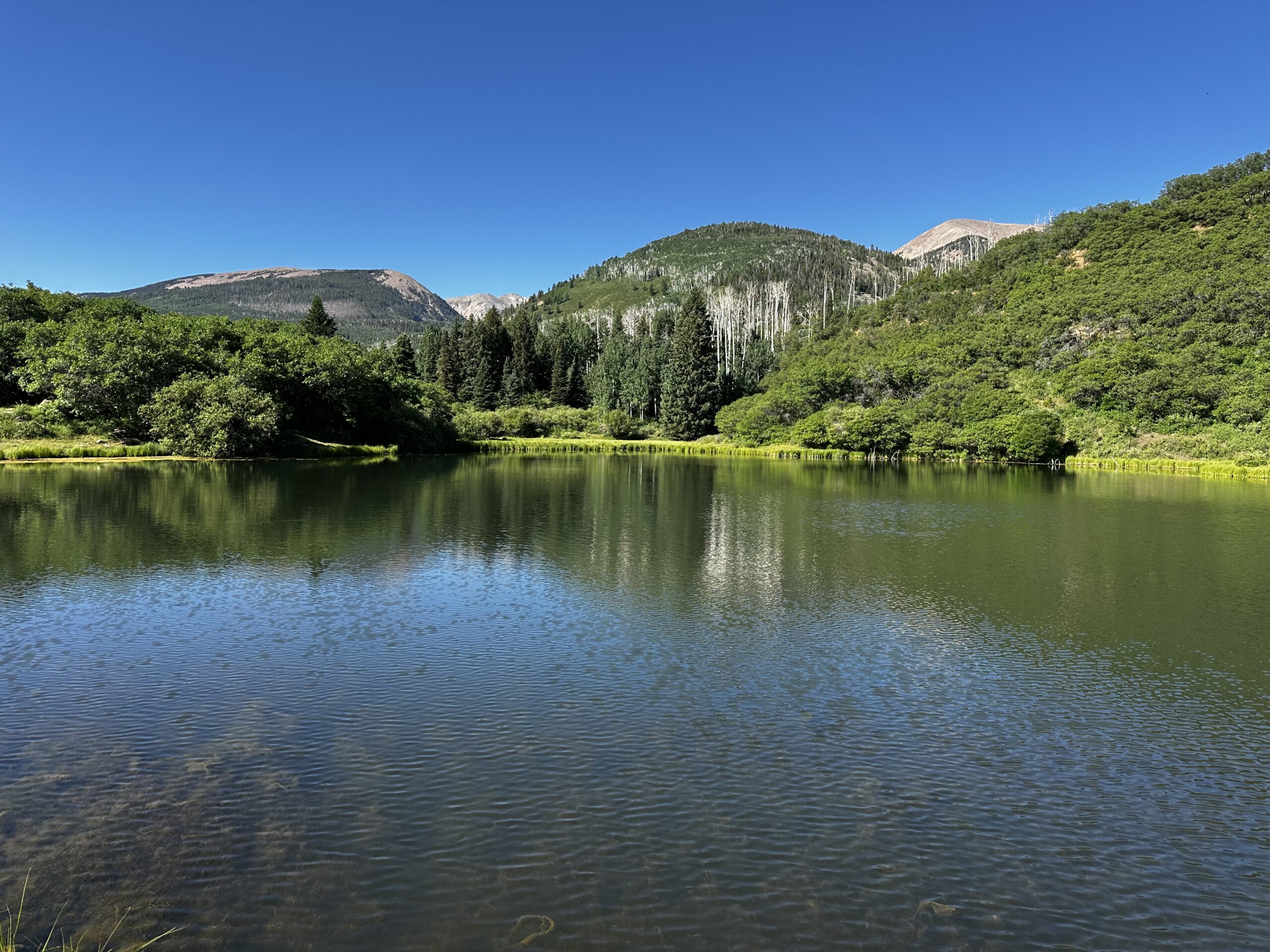
Rising majestically to heights of nearly 13,000 feet, the La Sal Mountains stand as Utah’s second-highest mountain range, creating a breathtaking backdrop that contrasts dramatically with the surrounding desert landscape. These alpine peaks, part of the Manti-La Sal National Forest, offer photographers a unique opportunity to capture the striking juxtaposition of snow-capped summits against the red rock canyons below.
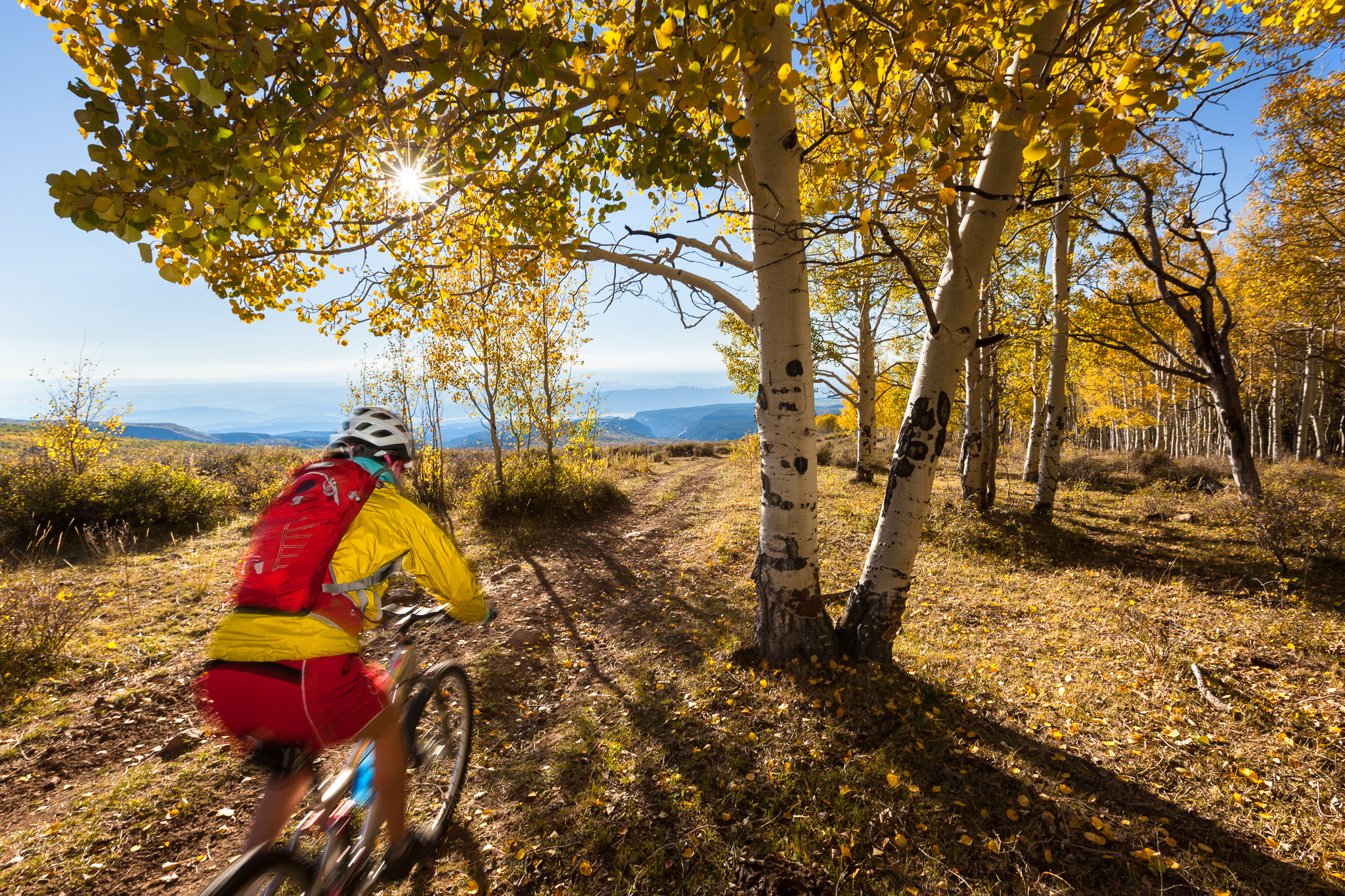
The La Sal Mountains provide exceptional photographic diversity throughout the seasons. During autumn, typically from mid-September through early October, the mountains transform into a photographer’s paradise as quaking aspens, cottonwoods, and scrub oaks burst into brilliant displays of gold, orange, and red. The changing vegetation zones as elevation increases create natural layers in compositions, from pinyon and juniper trees at lower elevations to oak, pine, aspen, and finally spruce and fir at the highest timbered areas.
The La Sal Mountain Loop Road serves as the primary access route for photographers, offering a scenic 60-mile paved drive that provides numerous vantage points and overlooks. This route winds through Castle Valley and the Manti-La Sal National Forest, presenting spectacular views of 12,000-foot peaks and expansive red rock canyons. The road is suitable for all passenger vehicles and RVs, making it accessible to photographers with various equipment needs.


Moab Region: A Photographer’s Paradise
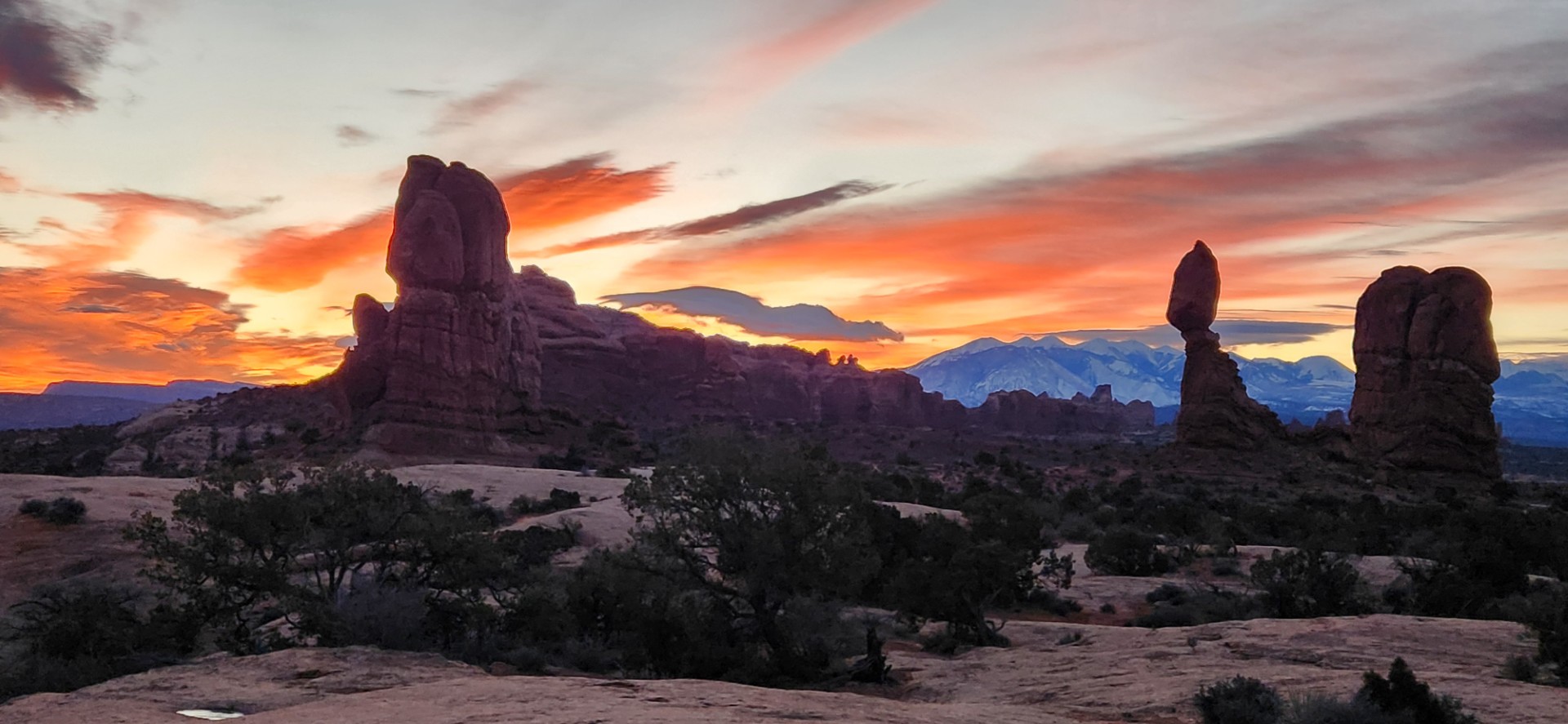
The Moab area truly represents a photographer’s paradise, offering an incredible wealth of captivating landscapes that showcase the raw beauty of red rock country [5]. The region’s distinctive sandstone formations, carved by millions of years of geological processes, create a mesmerizing interplay between light and shadow that transforms throughout the day.
Arches National Park
Arches National Park stands out as one of the most photographically flexible destinations in southeastern Utah, offering stunning opportunities at any time of day. The park contains over 2,000 natural stone arches, along with numerous other geological formations that provide endless compositional possibilities.
Seasonal Photography Opportunities
Spring (March – May)
Spring offers mild temperatures and wildflower blooms in certain areas. The moderate weather conditions make this an excellent time for extended photography sessions, though wildflower displays can be variable depending on winter precipitation.
Summer (June – August)
Summer provides the longest days and most stable weather, though temperatures can be extreme. Early morning and late evening photography sessions are recommended to avoid the intense midday heat and harsh lighting conditions.
Autumn (September – November)
Autumn is arguably the most spectacular season for photography in the region, particularly in the La Sal Mountains where fall foliage creates stunning displays of color. The changing leaves typically peak in late September to early October, providing a beautiful contrast to the red rock landscape below.
Winter (December – February)
Winter offers unique opportunities to capture snow-covered peaks in the La Sal Mountains contrasted against the red rock desert. While access to higher elevations may be limited, the dramatic seasonal contrast creates compelling photographic opportunities.
Other Area Attractions & Activities
Hunting
Hiking

Fishing
ATV / UTV / MOTO

Mountain Biking